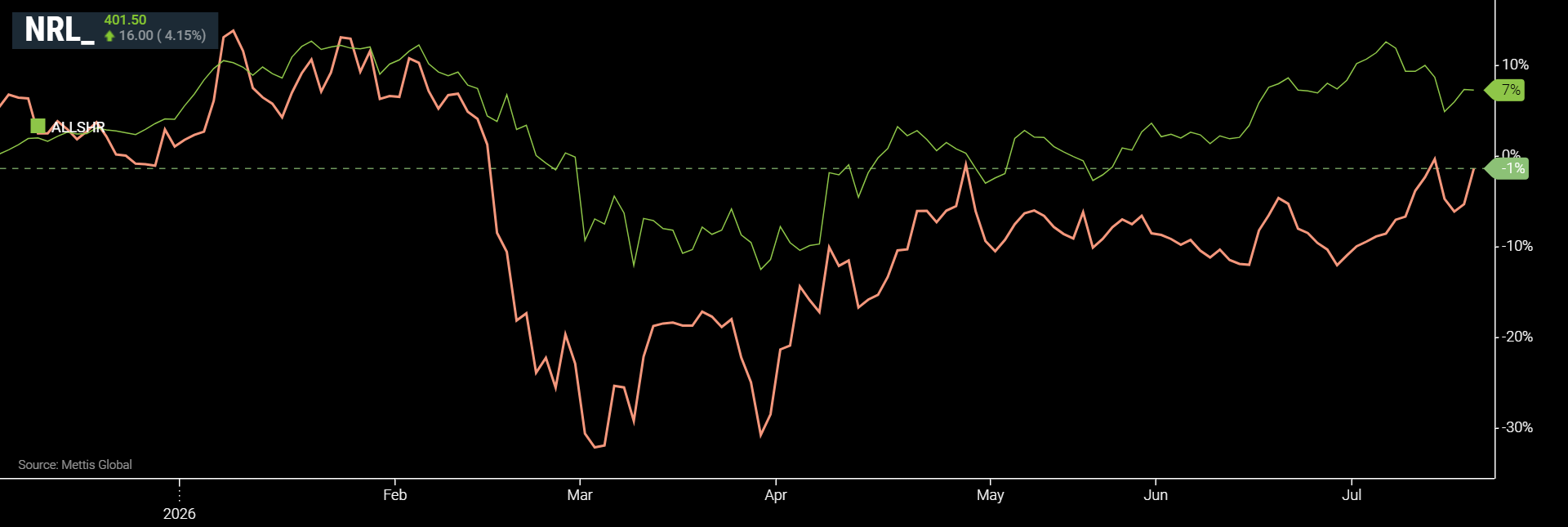

July 17, 2026 (MLN): National Refinery Limited expects the refinery policy to be finalized at the earliest, as most outstanding issues surrounding it have already been resolved, according to CEO Asad Hasan, who shared the company's operational updates, financial position and future outlook at the Pakistan Investor Connect Conference organized by Topline Securities.
The planned brownfield refinery upgradation is estimated to cost between $0.4bn and $1.2bn and will take approximately 5–6 years to complete following approval and implementation of the refinery policy.
The company is currently conducting a feasibility study through M/s Wood (UK), after which the final upgrade plan will be finalized.
The upgradation will enable the refinery to produce Euro-V compliant fuels while reducing Furnace Oil (FO) production.
On the funding side, management stated that up to 27.5% of the project cost, in the case of a new plant, can be financed through the OGRA escrow account, with the remaining amount funded through internal cash generation and debt, assuming an optimal 80:20 or 70:30 debt-to-equity capital structure.
Over the years, the company has significantly improved its product slate by increasing production of its two key high-value products High-Speed Diesel (HSD) and Motor Spirit (MS).
HSD production is expected to rise from around 635,000 tons in FY22 to around 900,000 tons in FY26, while MS production has nearly doubled from around 160,000 tons to around 300,000 tons over the same period.
Meanwhile, production of Lubricant Base Oil (LBO) declined from 156,000 tons in FY22 to 125,000 tons in FY26.
The company's operating cost stands at around $8–9 per barrel, compared with around $5–6 per barrel for a conventional hydro skimming refinery, with the higher cost reflecting its complex refinery configuration as the only refinery in Pakistan with an integrated lubricant base oil production facility.
The company was also affected by widespread HSD smuggling, which remained one of the key factors behind lower refinery throughput.
However, a recent decline in smuggling activity, primarily due to the prevailing situation in Balochistan, has improved market conditions, with management noting that the company has been able to sell its entire HSD production over the last few days.
Management highlighted that the Iran–US conflict significantly increased crude prices from $69 per barrel in February to an average of $126 per barrel in March, along with freight and insurance costs rising from $1–1.5 per barrel to $5–6 per barrel, which resulted in higher working capital requirements, with credit line utilization increasing from around Rs50bn, used to retire five cargoes in February 2026, to around Rs150bn.
Due to the decline in petroleum product prices toward the end of 4QFY26, the company is expected to record inventory losses, which has the potential to erode the gains generated from the earlier price hikes.
Additionally, weak domestic demand for bitumen and FO has forced the company to divert volumes to the export market, where realizations are lower, weighing on overall profitability.
The refinery can operate at 85–90% of its nameplate refining
capacity when processing lighter crude. The company's current crude slate
comprises around 30% heavy crude and 70% light crude, with a blend of heavier
crude required for LBO production.